Building Astrobee at MIT
Research Internship · UCLouvain × MIT · July–August 2019
An exchange program between UCLouvain and MIT gave me the opportunity to conduct research at the MIT Space Systems Laboratory. Working in a team, we built MIT's own copy of Astrobee — NASA's free-flying robotic assistant designed to work alongside astronauts on the International Space Station.
Astrobee at MIT SSL
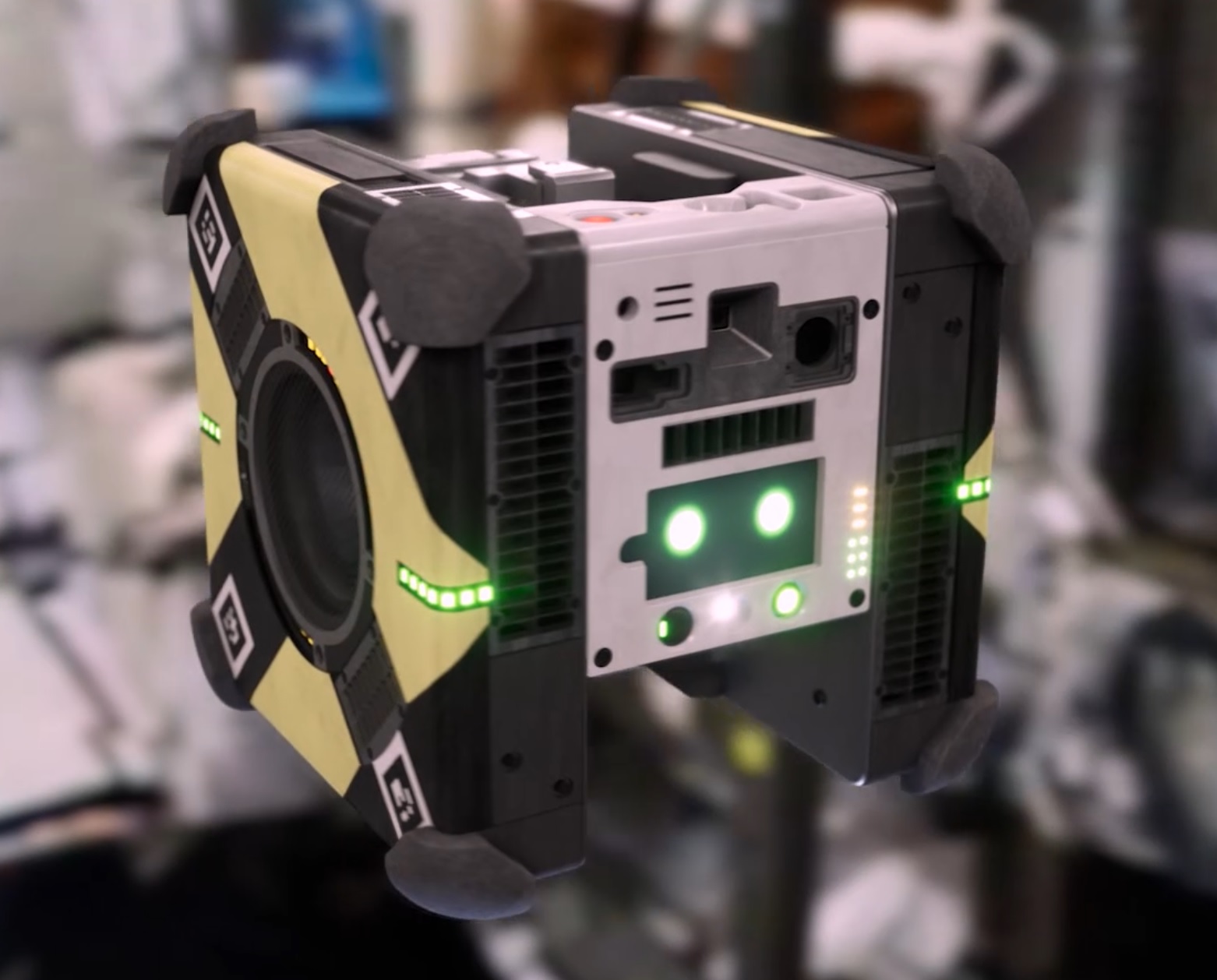
Designed by NASA, Astrobee robots are robotic teammates that assist astronauts with routine tasks aboard the ISS — freeing them to focus on work that only humans can do. My contribution as a Master's student in electromechanical engineering was to build the avionics subsystem: from the electrical diagram all the way through component sourcing, PCB soldering, and sensor validation.
What is Astrobee?
The Robot
Astrobee is a cube-shaped free-flying robot developed by NASA. It navigates the microgravity environment of the ISS using electric fans for propulsion, and carries cameras and sensors to perceive its surroundings.
The Mission
Astrobee acts as a robotic crewmate — performing inventory checks, equipment monitoring, and routine inspections autonomously. This lets astronauts dedicate more time to complex scientific work and exploration.
The Research
The MIT Space Systems Laboratory builds its own Astrobee units for research and development. My internship contributed a fully functioning avionics system, enabling further space robotics research at MIT.
Building the avionics
As the avionics engineer on the team, I was responsible for the electrical subsystem of the robot.
Avionics Diagram
Designed the electrical architecture of the robot — mapping power distribution, sensor interfaces, and communication buses across all onboard systems.
Component Sourcing
Identified and ordered all electronic components: microcontrollers, IMUs, depth cameras, motor drivers, and supporting passive components.
PCB Soldering
Hand-soldered the custom PCBs, including fine-pitch surface-mount components, connectors, and power regulation circuits.
What this experience built
This research internship was a formative moment — equal parts hands-on electronics work and exposure to a world-class research environment.
Space systems thinking
Working on hardware destined for the ISS sharpened my understanding of the reliability and redundancy constraints that distinguish space electronics from consumer products.
Hardware ownership
Owning a subsystem from block diagram to soldering gave me deep confidence in reading datasheets, iterating on solder issues, and debugging a few mixed-signal problems.
International collaboration
Working within a multicultural team at MIT, coordinating across language differences, reinforced my ability to communicate technical constraints clearly.