Models of Computation via Cellular Automata
Fundamental Computer Systems · 2024
This work reproduces classic cellular automata — discrete models of computation known for their ability to imitate complex biological processes through simple, local rules.
What are Cellular Automata?
Biological Imitation
Known for their ability to imitate complex biological processes starting from very simple local rules.
Discrete Models
Discrete models of computation where the state of a cell is determined by its neighborhood in the previous step.
Computational Logic
Includes examples like Wolfram’s Rule 110, which is Turing complete, proving simple rules can perform any possible computation.
Implemented Paradigms
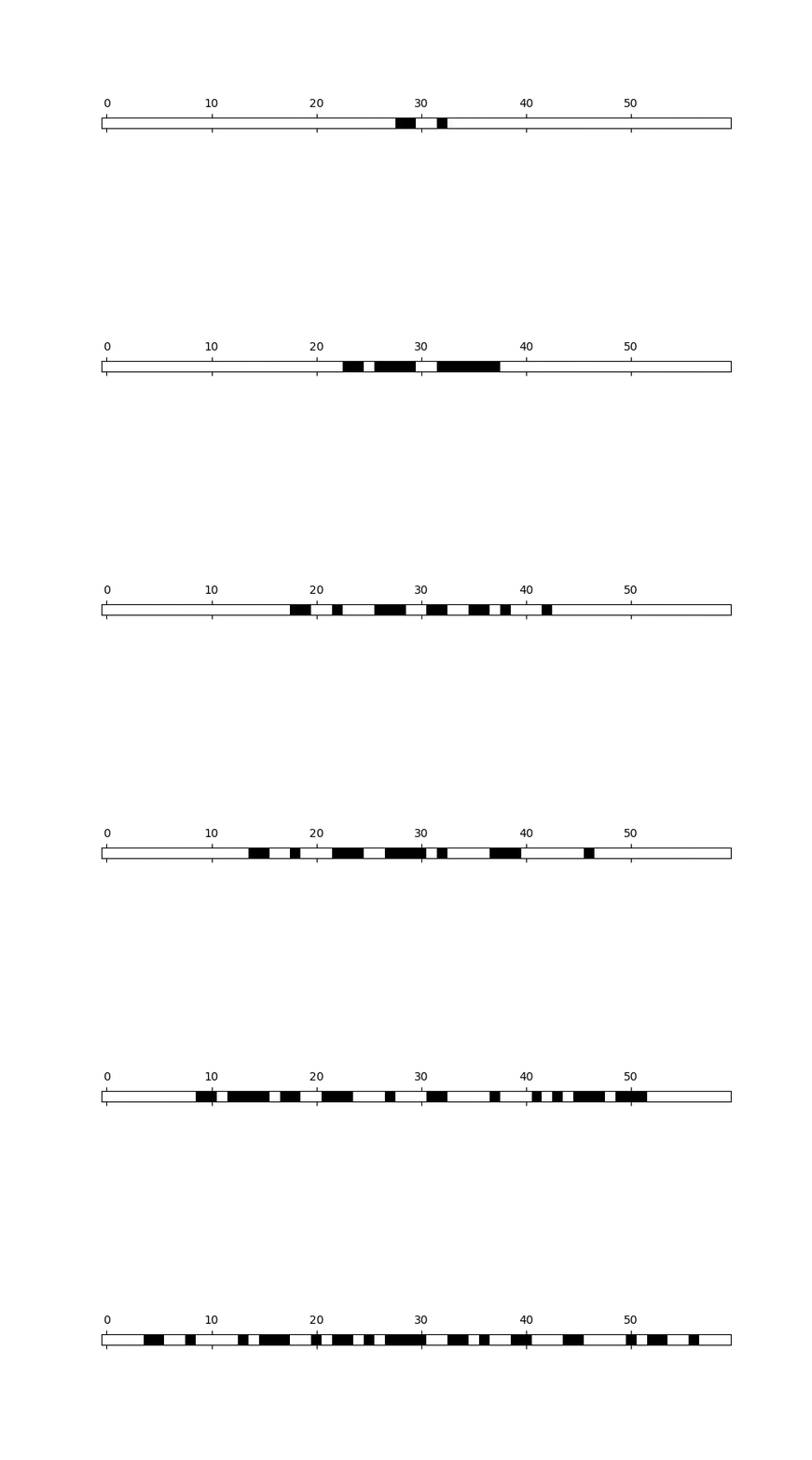
A chaotic elementary rule proposed by Wolfram. Famous for its complex, non-periodic behavior from a single center point.
Turing complete rule that exists on the boundary between stability and chaos. Capable of universal computation.
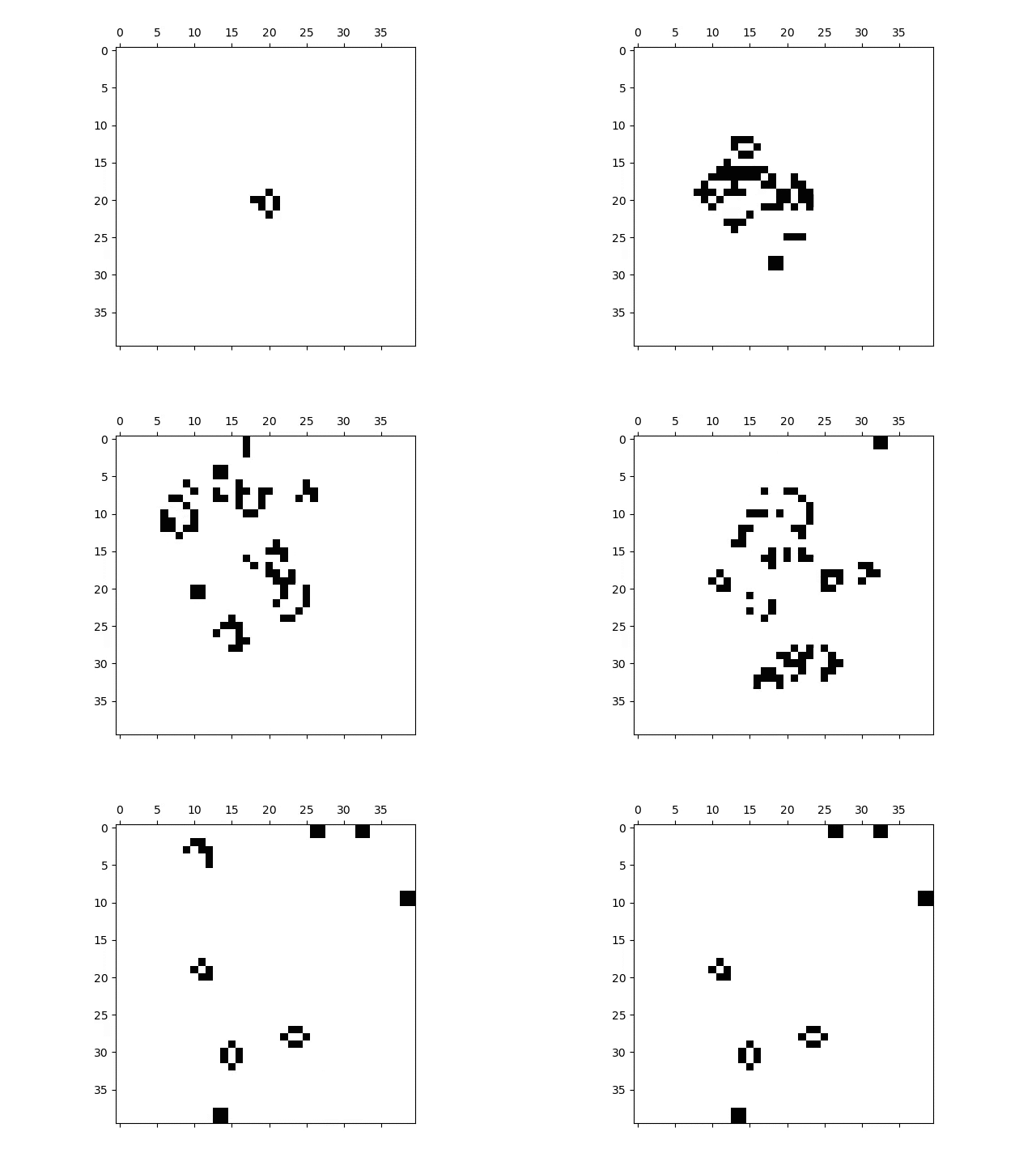
Conway's classic model. Imitates population dynamics with birth, death, and survival rules.
Visual Evolution
2D Chaotic Game of Life
1D Rule 30 History
Python API
git clone git@github.com:MartinBraquet/cellular-automata.git
pip install -e "."
from cellular_automata import cellular_automaton, game_of_life

cellular_automaton(
  n_grid=60,
  rule=game_of_life,
  initial_setup='chaos'
)